
Oren Dalal, Founder and Publisher of GamingMarkets, examines why APAC live casino and iGaming M&A is becoming harder to underwrite on scale alone in Global Gaming Insider’s September 2026 issue.
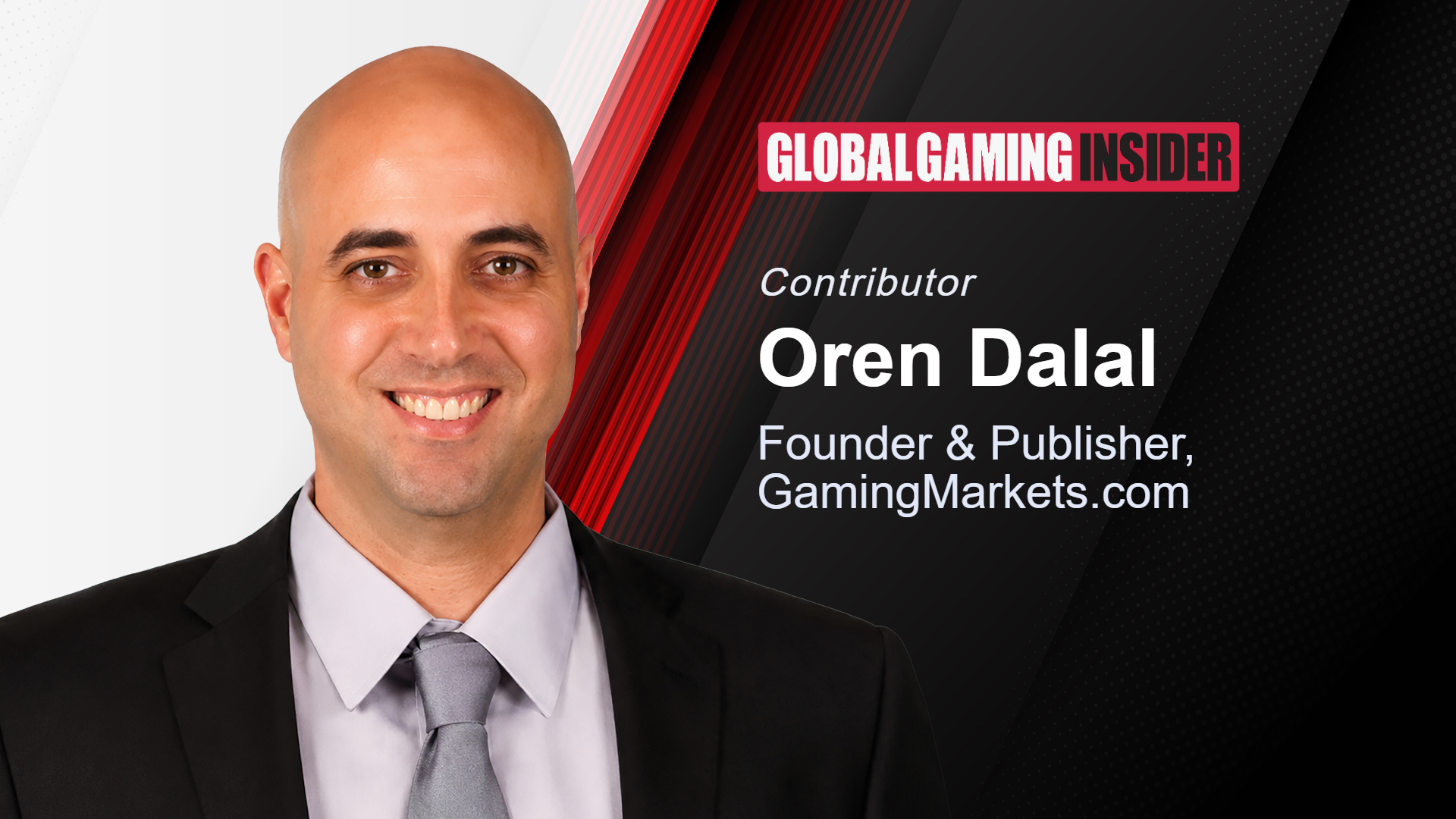
Global Gaming Insider has published an APAC live casino and iGaming M&A analysis by Oren Dalal, Founder and Publisher of GamingMarkets.
The piece asks a simple but consequential question: after a deal closes, what can the asset actually continue to do?
Scale, technology, distribution and customer reach all matter. But in APAC, the investment case can also depend on where customers are located, how market access works and whether the supplier model remains viable if regulatory conditions, policy or enforcement priorities change.
Scale Is Not Enough
Scale can make a gaming asset attractive. It does not automatically make it acquisition-ready.
A buyer also needs to understand where the revenue comes from, how the business reaches those markets and which permissions and commercial relationships support that access.
Those questions can materially affect the acquisition case. If a key market, permission or commercial dependency cannot continue on the same basis after closing, the economics of the transaction may change with it.
That is particularly relevant in gaming, where the value of an asset can depend on jurisdiction-specific permissions, counterparties and market structures as much as on technology, content or distribution.
Four Questions Behind Acquisition Readiness
Where does the revenue come from?
Market, customer and product concentration can show how much of the business depends on a particular operating environment.
What supports access to those markets?
Revenue needs to be considered alongside the permissions, commercial relationships and market structures that allow the business to operate.
What could change when ownership changes?
The answer depends on the jurisdiction, licence, entity structure and contractual arrangements involved. A change of control may require parts of the operating model to be reassessed.
Will the business still operate as expected after closing?
This is the practical test behind acquisition readiness: whether the assumptions supporting the business before the transaction remain valid afterwards.
These questions do not replace legal, regulatory or financial due diligence. They help define what that diligence needs to test. GamingMarkets has examined that distinction in more detail in its analysis of regulatory due diligence in gaming M&A.
What Sits Behind the Transaction
The analysis also fits within GamingMarkets’ broader work on market structure, capital flows and transaction activity across regulated gaming markets.
GamingMarkets tracks regulatory frameworks, capital movements and transaction environments. Its public Services framework states that the platform does not provide advisory services, participate in negotiations or represent transaction parties.
Headline scale, geographic reach and licence status may all support an investment case, but none should be assessed in isolation from the operating structure behind the asset.
Read the Full Analysis
The full analysis appears in Global Gaming Insider’s September 2026 issue.
Global Gaming Insider identifies Oren Dalal as Founder and Publisher of GamingMarkets.com and a Global Gaming Insider contributor. The article is available to Insiders, with free account creation currently offered by the publication.
Read the full analysis on Global Gaming Insider →
Access GamingMarkets Research
GamingMarkets offers free registration for access to research, executive briefings and registered-user tools across regulated gaming markets.
Create a Free GamingMarkets Account →
Evaluating a Strategic Transaction?
Owners, founders and mandated advisers considering a strategic exit or partial transaction can submit high-level information confidentially through the GamingMarkets Private M&A Desk.
The intake is private and off-market. It is not a marketplace, public listing service or broker network. Submitted information is not disclosed, circulated or shared with third parties without explicit consent, and no process is initiated without the submitter’s consent.
Proceed to Confidential M&A Submission →
GamingMarkets keeps editorial decisions separate from commercial and intake activity. Its published Editorial Independence policy states that commercial relationships and intake mechanisms do not determine editorial selection, framing, verification standards or conclusions.